
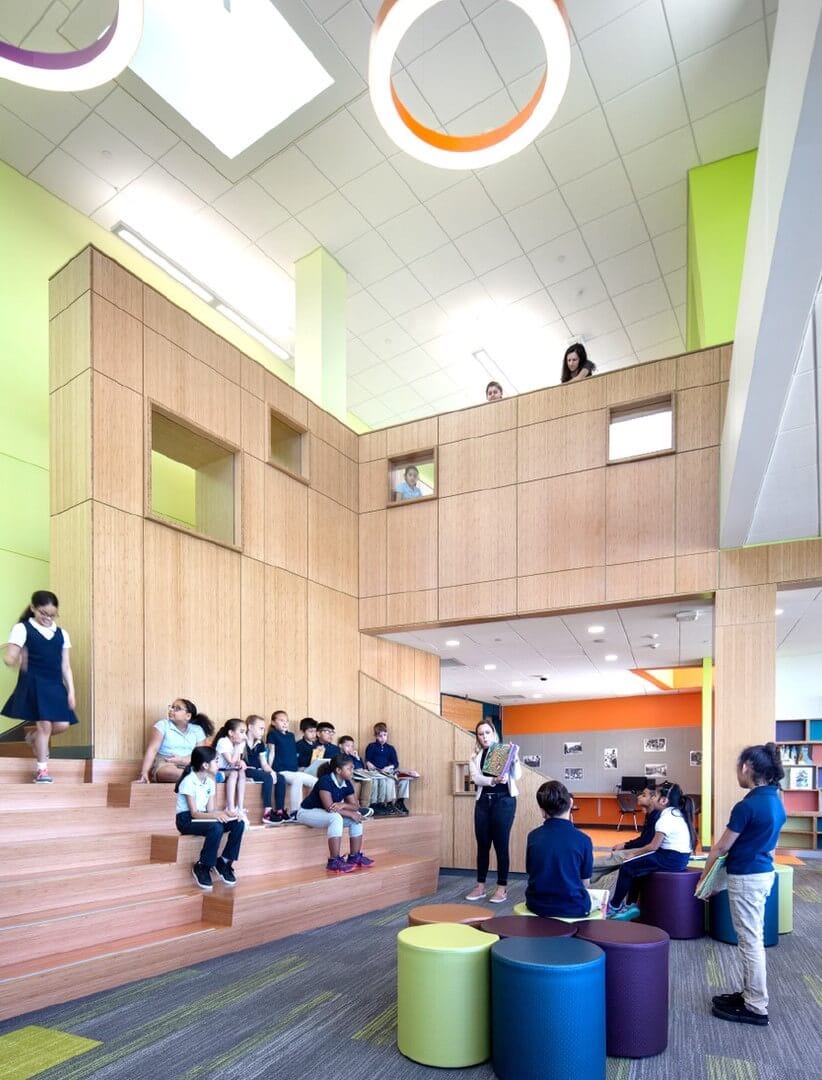
Walk into any school at the end of the day and look at the floors. Scuffs, scratches, dirt dragged in from outside. In Canada, add snow, salt, and slush to that mix. Flooring here does not just need to look good. It needs to survive real use.
Many materials can handle parts of that challenge. Very few handle all of it without becoming a maintenance problem. That is where bamboo starts to feel less like an alternative and more like a smarter default!
What School Floors Go Through (It’s Not Gentle)
School flooring lives a rough life.
You are dealing with:
- Hundreds or thousands of footsteps every day
- Chairs dragging across the same spots repeatedly
- Backpacks, spills, and constant movement
- Winter bringing in moisture, grit, and salt
Now add cleaning crews working daily just to keep things under control.
This is not a light-use environment. It is closer to commercial or even industrial conditions.
The Usual Choices… And Why They Start to Fall Short
Most schools stick to familiar materials. That makes sense until you look at how they age.
Vinyl: Easy At First, Demanding Later
Vinyl is everywhere because it is affordable and predictable.
- Cheap to install
- Handles moisture well
- Looks clean initially
Then the reality kicks in.
- Needs regular waxing and stripping
- Loses its finish over time
- Maintenance becomes a routine cost, not a one-time job
Rubber: Safe, But Not For Every Space
Rubber flooring shines in gyms and activity zones.
- Soft underfoot
- Reduces impact
- Naturally slip-resistant
Unfortunately, outside those areas, it feels out of place.
- Limited design appeal
- Higher cost
- Not ideal for classrooms or learning spaces
Carpet Tiles: Quiet, But High Effort
Carpet tiles help with noise. That is their biggest strength.
- Absorb sound well
- Make spaces feel warmer
- Easy to replace small sections
The downside shows up quickly.
- Trap dust and allergens
- Harder to clean properly
- Struggle in high-traffic or spill-prone areas
Bamboo Feels Different From the Start
Here is where things shift.
Bamboo is not trying to compete in just one category. It quietly checks multiple boxes at once. It handles wear, looks clean longer, and does not demand constant upkeep.
That combination is what makes it stand out!
Built to Handle Real Use, Not Ideal Conditions
Let’s talk durability, because that is where most flooring decisions start. Strand-woven bamboo is extremely hard.
- Janka rating: 3000–5000+
- Oak sits around 1300
That difference shows up in everyday use.
- Fewer dents from furniture
- Less visible damage over time
- Surfaces that stay consistent, not patchy
In a school, that means the floor still looks good years later, not just in the first semester.
The “Less Damage = Less Work” Advantage
Here is something people often overlook.
Floors usually get refinished or replaced because they get damaged.
Bamboo changes that equation.
- Harder surface means less denting
- Less denting means less need for repairs
- Less repair means fewer disruptions
In many cases, maintenance becomes simpler because there is less damage to deal with in the first place.
A Material That Actually Keeps Up With Time
Schools are built to last decades. Flooring should match that timeline.
Bamboo does.
- 25–50+ year lifespan
- Can be refinished when needed
- Holds its appearance longer than softer materials
It is not about lasting on paper. It is about looking good while doing it.
Sustainability That Is Not Just a Buzzword
This is where bamboo really pulls ahead.
- Grows in 3–5 years
- Regrows from the same root system
- No need to replant
Compare that to hardwoods that take decades.
Then there is carbon.
- Bamboo absorbs a high amount of CO₂ while growing
- That carbon stays stored in the material
For schools aiming for greener buildings, this is not a small benefit. It is a major one.
Healthier Spaces Without Overthinking It
Indoor air quality matters more than most people realise.
Students spend hours inside classrooms every day.
Bamboo, when sourced properly, supports healthier air.
- Low VOC emissions
- Very low formaldehyde levels
- Can meet strict standards like GREENGUARD Gold
That means fewer chemicals in the air and a better environment for learning.
Canadian Winters: The Real Test
If a floor survives Canadian winters, it can survive almost anything.
Think about what gets tracked inside:
- Snow melting into water
- Salt grinding into the surface
- Sand acting like sandpaper
Bamboo handles this well when maintained properly.
- Durable surface resists abrasion
- Engineered bamboo improves stability
- Less reaction to seasonal humidity changes
Keep indoor humidity balanced, and it performs consistently year-round.
Maintenance That Does Not Take Over Your Budget
Some floors look affordable until you start maintaining them.
Bamboo keeps things simpler.
- No waxing or stripping cycles
- Routine cleaning is enough
- Durable finish reduces wear
Winter care still matters:
- Entry mats to trap moisture and grit
- Quick cleanup of water and slush
- Neutral cleaners for salt residue
The key difference is that maintenance stays manageable, not constant.
Safety Without Compromise
Schools need flooring that is safe for everyone. Bamboo performs well here too.
- Naturally more slip-resistant than polished surfaces
- Matte finishes improve grip
- Can meet fire safety requirements
It works in spaces where both safety and durability matter.
Noise, Comfort, and the Learning Environment
Hard floors often get criticised for noise.
Bamboo sits in a better middle ground.
With the right underlay:
- Reduces impact noise
- Improves acoustic comfort
- Works well in classrooms and shared spaces
It gives you durability without sacrificing the learning environment.
Cost: The Part That Needs a Better Conversation
Bamboo is not the cheapest option upfront.
That part is true.
What matters more is what happens after installation.
- Less maintenance over time
- Fewer repairs
- Longer lifespan
Vinyl may save money at the start. Bamboo tends to save it over the years.
Conclusion
Most school flooring decisions follow a familiar pattern. Pick what has always worked, keep costs predictable, and avoid risk. That approach made sense in the stone ages. Today, it plays a bigger role in durability, maintenance, and even how a space feels.
Bamboo flooring challenges that in a practical way. It does not ask you to compromise between strength, sustainability, and upkeep. It brings all three into one material.
This shift is not about chasing trends. It is about moving from “good enough” to something that performs better across the board. That is why it is not just an option. It is a smarter place to start!
0 Comments