
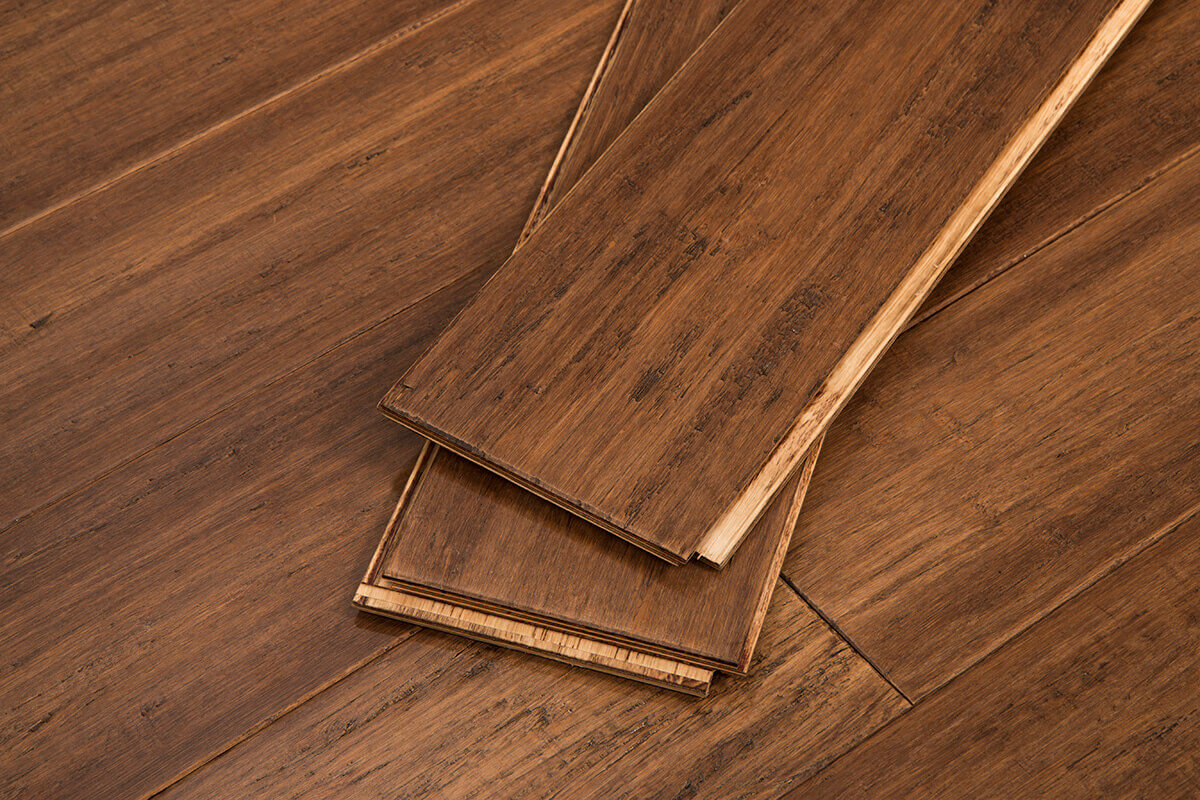
Choosing eco-friendly flooring sounds simple until you start shopping. Almost every brand claims its products are green, natural, or environmentally friendly. The problem is that these labels don’t always tell the whole story.
A truly eco-responsible floor is about much more than the material it’s made from. It also depends on how the raw materials are sourced, how the flooring is manufactured, and even what happens when it reaches the end of its life.
At Bamboo Design, we believe truly sustainable flooring should deliver more than beautiful design. It should also reduce its impact on the environment throughout its entire life.
That’s why we specialize in high-quality bamboo flooring that combines exceptional performance with responsible manufacturing.
Don’t Let a Green Label Fool You
It’s easy to assume a floor is environmentally friendly because the packaging says so.
Unfortunately, terms like eco-friendly, green, and natural aren’t always backed by independent testing. Some are simply marketing terms designed to attract environmentally conscious buyers.
Instead of relying on the label, take a closer look at the facts. Reputable manufacturers are usually happy to explain where their materials come from, how their products are made, and which environmental standards they meet.
Before buying, ask questions like:
- Is the flooring independently certified?
- Where were the raw materials sourced?
- What type of adhesive and finish does it use?
- Is it certified for low VOC emissions?
- Has the manufacturer published environmental information?
The more transparent a company is, the easier it is to trust its sustainability claims.
| What to Check | Why It Matters |
|---|---|
| Independent Certification | Helps verify environmental and product claims. |
| Responsible Sourcing | Shows where the raw materials come from and how they are harvested. |
| Low-VOC Materials | Supports better indoor air quality and reduces harmful emissions. |
| Durable Construction | A longer-lasting floor reduces replacement, waste and resource use. |
| Environmental Product Declaration | Provides transparent information about a product’s environmental impact. |
Why Bamboo Leaves Other Flooring Materials Behind
Many flooring materials can be considered eco-friendly, but bamboo offers several advantages that make it one of the strongest choices.
Unlike hardwood trees that often need 30 to 80 years to mature, flooring-grade bamboo is typically ready for harvest in just four to six years. Some species can even grow more than three feet in a single day under ideal conditions.
Harvesting bamboo is also different from harvesting timber. The underground root system stays alive after the stalks are cut, allowing new shoots to grow naturally without replanting. This continuous regeneration helps protect the soil while reducing the need for large-scale reforestation.
Because of this rapid growth cycle, bamboo produces a reliable supply of building material without placing the same long-term pressure on natural forests.
The Material Is Just the Starting Point
Although bamboo starts with a major environmental advantage, sustainability doesn’t stop there.
A floor should be assessed from the moment the raw material is harvested until the day it’s replaced. This approach is known as looking at a product’s life cycle.
A flooring product’s environmental impact includes:
- Raw material sourcing
- Manufacturing
- Transportation
- Installation
- Everyday use
- Maintenance
- Lifespan
- Recycling or disposal
Looking at the complete picture helps you understand whether a floor is genuinely eco-responsible instead of simply appearing that way.
How It’s Made Matters as Much as What It’s Made From
Not every bamboo floor offers the same environmental benefits.
The most sustainable products come from manufacturers that focus on responsible harvesting and efficient production methods. These companies work to reduce waste, lower emissions, and produce flooring that’s built to last.
When comparing bamboo flooring, look for manufacturers that prioritize:
- Sustainable harvesting practices
- Low-emission adhesives
- Water-based finishes
- Energy-efficient manufacturing
- Durable protective coatings
Choosing responsibly manufactured bamboo helps maximize its natural environmental advantages.
A Floor That’s Good for the Planet Should Be Good for Your Family Too
An eco-responsible floor should benefit your family as well as the environment.
Some flooring materials release volatile organic compounds (VOCs), especially when they’re first installed. These chemicals can affect indoor air quality and remain in the home for some time.
Fortunately, many premium bamboo flooring manufacturers now produce low-emission products that help create healthier indoor spaces.
Look for flooring that offers:
- Low VOC emissions
- Low-formaldehyde or formaldehyde-free construction
- Water-based finishes
- UV-cured factory coatings
- Certified low-emission adhesives
These features help improve indoor air quality without sacrificing durability.
The Adhesive Beneath Your Feet Matters More Than You Think
The visible surface isn’t the only part of your floor that matters.
Engineered flooring relies on adhesives to bond materials together, and the type of adhesive used has a direct impact on both durability and indoor air quality.
High-quality bamboo flooring often uses advanced low-emission or formaldehyde-free adhesive systems. These products provide excellent structural strength while reducing harmful emissions.
Lower-quality adhesives, on the other hand, may release more formaldehyde over time and reduce the flooring’s overall environmental performance.
This is one detail that’s worth asking about before making your final decision.
The Greenest Floor Is One You Never Have to Replace
The most sustainable floor is often the one you don’t have to replace.
Every replacement requires new raw materials, manufacturing, transportation, and installation. Choosing a durable floor reduces waste and lowers its overall environmental impact.
This is where bamboo performs exceptionally well.
High-quality strand-woven bamboo is among the hardest flooring materials available. In fact, it’s often harder than traditional oak and many other hardwood species.
With proper installation and regular maintenance, bamboo flooring can last 50 years or even longer.
Its long lifespan helps reduce:
- Renovation waste
- Raw material consumption
- Manufacturing demand
- Transportation emissions
- Long-term replacement costs
A floor that lasts for decades is almost always a more sustainable choice than one that needs replacing every few years.
Bamboo Does Something Most Floors Can’t: It Stores Carbon
Another reason bamboo is considered environmentally responsible is its ability to absorb carbon dioxide while it grows.
Like trees, bamboo stores that carbon within its fibers throughout much of the flooring’s lifespan. This natural carbon storage helps offset part of its overall environmental impact.
Manufacturing and transportation still generate emissions, so bamboo isn’t completely carbon neutral. Even so, its natural ability to capture and store carbon gives it another important sustainability advantage.
Clean Manufacturing Is Non-Negotiable
Even the most renewable material needs energy before it becomes finished flooring.
Bamboo must be harvested, dried, treated, compressed, finished, and packaged before it reaches your home.
The environmental impact depends on factors such as:
- Energy efficiency
- Manufacturing methods
- Production waste
- Chemical treatments
- Finishing processes
This explains why two bamboo flooring products can have very different environmental footprints. Choosing manufacturers that invest in cleaner production methods helps ensure you’re getting the most sustainable product possible.
Don’t Forget What Happens Before It Reaches Your Door
Many people assume bamboo flooring can’t be eco-friendly because most of it comes from China.
It seems like a fair point. After all, shipping products across the world creates carbon emissions.
However, that’s only one part of the story.
To understand a floor’s real environmental impact, you need to look at its entire life cycle, not just how far it travelled. Bamboo grows incredibly fast, absorbs large amounts of carbon dioxide while it’s growing, and can be harvested again without replanting. Those environmental benefits often outweigh the emissions created during transport.
In fact, some bamboo flooring products remain carbon neutral even after shipping to the destination port.
That’s exactly the case with Bamboo Design. Our independently verified Environmental Product Declaration (EPD) confirms that selected bamboo flooring products achieve carbon-neutral emissions right through to the destination port.
So, instead of asking, “How far did this floor travel?”, it’s better to ask, “What’s its total environmental impact?”
That’s the question that really matters.
Think Beyond Installation Day
A truly eco-responsible floor continues delivering environmental benefits long after installation.
Eventually, every floor reaches the end of its service life. Some products can be reused, recycled, or repurposed, while others are simply discarded.
Since high-quality bamboo flooring is built to last for decades, it naturally reduces replacement frequency and the waste associated with repeated renovations.
Choosing a floor that performs well for many years is one of the simplest ways to live more sustainably.
The Questions Every Buyer Should Ask
Before making your decision, take a few minutes to ask the retailer or manufacturer the right questions.
Find out:
- Is the flooring independently certified?
- Where was the bamboo sourced?
- What type of adhesive does it use?
- Is it certified for low VOC emissions?
- How long should it realistically last?
- Can it be recycled or reused?
- Has the manufacturer published an Environmental Product Declaration?
Clear answers often indicate a manufacturer that genuinely values sustainability.
Conclusion
Finding a truly eco-responsible floor isn’t about choosing the product with the greenest packaging. It’s about understanding what happens throughout the floor’s entire life, from harvesting and manufacturing to daily use and eventual replacement.
Bamboo stands out because it combines rapid renewability, natural carbon storage, exceptional durability, and a lifespan that can exceed several decades. Those qualities make it one of the most sustainable flooring materials available today. So, are you ready to contact us and get your eco-friendly flooring also known as Bamboo flooring?

0 Comments