
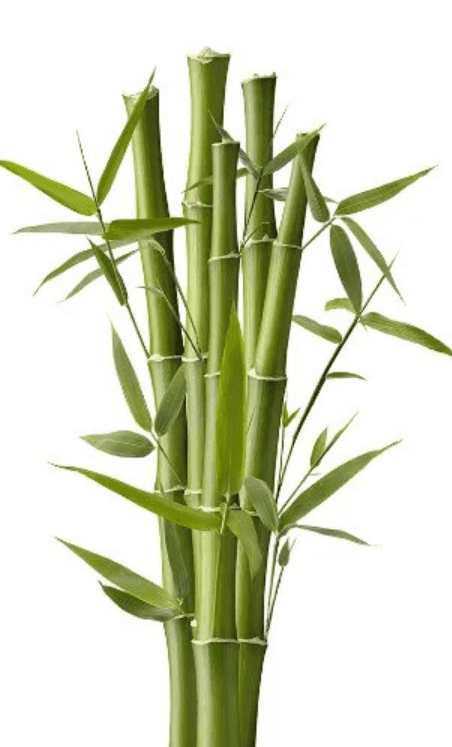
Bamboo flooring used to be the “eco option” people picked when they wanted something different from hardwood. Today it’s a serious player in the flooring world. Architects use it, and designers love it. Builders specify it for green projects, and even tech companies are putting it in their offices.
So, why the sudden attention?
Because bamboo does something unusual. It grows incredibly fast, and stores carbon while doing it. Moreover, when engineered properly, it can be harder than many traditional hardwood floors.
In other words, it’s not just sustainable. It’s surprisingly tough!
Here are the facts, statistics, and industry numbers that explain why bamboo flooring keeps gaining ground worldwide.
The Bamboo Industry Is Huge (And Getting Bigger)
Bamboo flooring is part of a much larger bamboo economy that includes textiles, furniture, paper, and construction materials.
And that industry is growing quickly.
Recent global estimates show:
The bamboo industry was worth about $67 billion in 2024. Moreover, it’s expected to reach roughly $88 billion by 2030.
That’s a steady 4.7% annual growth rate!
What’s driving that growth?
A few big trends:
- stricter green building regulations
- demand for renewable materials
- architects embracing natural design
- companies chasing sustainability targets
Basically, bamboo sits right at the intersection of performance and sustainability, and construction is starting to notice.
Asia Runs the Bamboo World
Most of the world’s bamboo comes from Asia. The region accounts for roughly 41–50% of the global bamboo market.
China, in particular, is an industry giant.
Here are a few numbers that explain why:
- China has over 6.7 million hectares of bamboo forest
- The country produces about 67% of global bamboo exports
- Chinese manufacturers lead innovation in bamboo processing
Other regions are catching up, but Asia still sets the pace.
Estimated global bamboo market share:
- Asia Pacific: 41–50%
- North America: 22–30%
- Europe: 20–25%
- Latin America, Middle East, Africa: 2–8%
North America is actually one of the fastest growing markets right now. Mostly thanks to renovation projects and green building standards.
Bamboo Fun Facts That You Must Know
Now that you’re deep into the bamboo world, let’s uncover some of the facts about it!
Bamboo Flooring Can Be Harder Than Hardwood
Durability in flooring is measured using the Janka hardness scale. The test measures how much force it takes to dent the surface.
Here’s how common flooring materials compare:
| Flooring Material | Janka Hardness | Relative Hardness |
|---|---|---|
| Red Oak | 1,290 | Standard reference |
| Hard Maple | 1,450 | Hard |
| Hickory | 1,820 | Very hard |
| Natural Bamboo | 1,300–1,800 | Comparable to hardwood |
| Strand-Woven Bamboo | 3,500–5,000+ | Exceptionally hard |
Yes, you read that right. High quality bamboo flooring can be more than three times harder than red oak. That kind of hardness means better resistance to:
- dents
- scratches
- heavy furniture
- busy households
Basically, it’s built for real life.
For projects where exceptional hardness and durability are priorities, Densified™ bamboo flooring offers a high-performance option for demanding residential and commercial spaces.
Bamboo Can Actually Be Carbon Negative
Here’s a statistic that surprises even sustainability experts.
Bamboo flooring can actually be carbon negative.
Because bamboo grows so quickly, it absorbs a large amount of carbon dioxide during its growth phase. For example:
The average tropical tree absorbs about 22.6 kg of carbon per year. However, a bamboo clump can absorb around 77 kg annually.
Researchers compared carbon stored in bamboo flooring with emissions produced during manufacturing. The result was unexpected. For each cubic meter of bamboo flooring produced:
- manufacturing emissions: 252.65 kg CO₂
- carbon stored in bamboo fibers: 267.54 kg CO₂
Net result:
–14.89 kg CO₂
Which means the finished flooring stores more carbon than was emitted during production. Not many building materials can claim that!
Bamboo Forests Are Oxygen Factories
Because bamboo grows so quickly, it also produces a lot of oxygen. Some bamboo forests are so productive that they are used in environmental restoration projects.
One example is the Guadua bamboo forest. It can release around 400 tons of oxygen per hectare over seven years. That productivity is one reason certain bamboo plantations are used in ecological rehabilitation and reforestation programs.
Some regions even create “oxygen parks” based around bamboo plantations. Not bad for a grass, isn’t it?
Bamboo Floors Can Last a Long Time
When properly installed and maintained, bamboo flooring has an impressive lifespan.
Typical estimates:
- Strand-woven bamboo: 30–50 years
- Engineered bamboo: 25–30 years
- Solid bamboo can also be refinished several times.
Most floors can handle 2 to 4 refinishing cycles, typically every 7–10 years. That puts bamboo in the same durability conversation as many hardwood floors.
The Cost Is Surprisingly Reasonable
Bamboo flooring is often more affordable than traditional hardwood.
Typical material costs look like this:
- Engineered bamboo: $2–$5 per sq ft
- Laminated bamboo: $3–$7 per sq ft
- Strand-woven bamboo: $5–$10 per sq ft
Installation usually adds:
$3–$10 per sq ft, depending on complexity.
Over a 15 year period, bamboo flooring can deliver 18–22% cost savings compared to premium laminate flooring. Which makes it attractive for both homeowners and builders.
The Future of Bamboo Flooring
The bamboo industry isn’t slowing down. We can now witness some fascinating developments, including:
- smart floors with embedded sensors
- bamboo structural panels for buildings
- graphene enhanced bamboo materials
- cross laminated bamboo construction
Some architects are already experimenting with mass bamboo construction, where engineered bamboo replaces steel or concrete in certain structures. If those technologies scale up, bamboo may move far beyond flooring.
It could become a major building material of the future!
Conclusion
It’s safe to say that the numbers behind bamboo flooring are impressive. It grows faster than timber, and can be harder than many hardwoods. Moreover, it may even store more carbon than it emits during production.
At the same time, modern engineering has transformed bamboo into a durable, attractive flooring material. Well, not too shabby for something that technically started life as grass.

0 Comments