
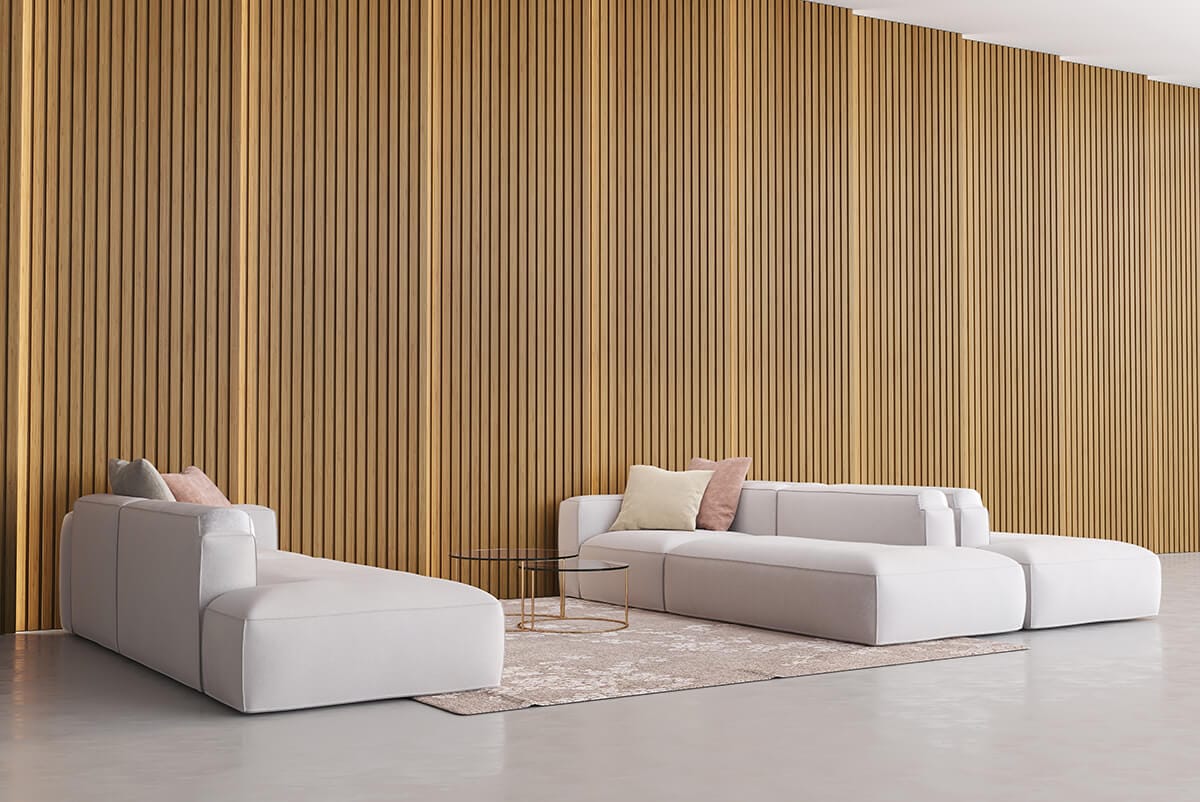
Walls used to be the part of a room you painted once and never thought about again. Not anymore.
Bamboo wall panels have turned plain walls into design features. They add warmth, texture, and, in some cases, even improve how a room sounds. On top of that, they bring the same sustainability benefits that have made bamboo a popular choice for flooring, decking, and cabinetry.
So, what’s driving bamboo’s rise in modern wall design? Let’s take a look.
Why Bamboo Is Becoming a Popular Choice for Walls
One of bamboo’s biggest strengths has always been sustainability. Moso bamboo reaches maturity in just four to five years, while most hardwood trees take decades. Better yet, it grows back from the same root system after harvesting, so it doesn’t need to be replanted.
Some species can even grow up to a meter a day during their growing season. That’s an incredible growth rate for something that ends up as a construction material.
Walls, however, give bamboo a chance to do more than simply look good. Depending on the panel you choose, bamboo can improve a room’s acoustics, create a striking feature wall, or stand up to years of outdoor weather. That versatility is exactly why architects and designers are using it more often.
Acoustic vs. Decorative Panels: What’s the Difference?
Not every bamboo wall panel is made for the same purpose. Some are designed to improve sound, while others focus purely on appearance.
| Wall Panel Option | Best Use |
|---|---|
| Solid Bamboo Panels | Feature walls, interior wall applications and high-quality architectural finishes |
| Decorative Bamboo Panels | Accent walls, reception areas and modern commercial interiors |
| Custom-Finished Panels | Projects requiring specific colours, finishes or design requirements |
Acoustic Slat Panels
If you’ve ever walked into a room that echoes, you’ll understand why acoustic panels exist.
These panels combine solid bamboo slats with a backing made from recycled PET felt. The bamboo surface helps scatter sound, while the gaps between the slats allow sound waves to reach the felt behind them, where they’re absorbed instead of bouncing back into the room.
The result is a quieter, more comfortable space.
That’s why you’ll often see acoustic bamboo panels in offices, restaurants, meeting rooms, home theaters, and open-plan living areas.
One thing worth knowing is that many slat panels on the market aren’t actually made from solid bamboo. Instead, they use a thin bamboo veneer over MDF.
While they may look similar at first, solid bamboo handles everyday wear, humidity, and years of use much better. The difference becomes obvious over time and even to the touch.
Linear Cladding: Pure Look, Indoors or Out
When acoustics are not a priority, linear bamboo cladding is all about appearance and durability. The panels are made using long, continuous strips of bamboo. This creates a smooth, consistent grain instead of the patchwork look that comes from joining shorter pieces together.
Bamboo Design & Architecture’s BamBüWall+ Linear panels are a good example. They use continuous lamination and are finished with a natural oil that enhances the bamboo’s color while making maintenance easy. They can be installed on both walls and ceilings, indoors or outdoors. An anti-mold treatment also helps them last longer in damp or exposed environments.
Linear bamboo cladding is a great choice for feature walls, reception areas, and other spaces where you want a clean, natural look. It also works well anywhere you need a durable finish for both interior and exterior use.
Built to Last: What Makes Exterior Cladding Tough
Exterior bamboo cladding has a tougher job than interior wall panels. It has to handle rain, strong sunlight, and changing temperatures for years. That’s why it uses exterior-grade laminated bamboo. Long bamboo strips are bonded together under heat and pressure, then finished with a weather-resistant oil. An anti-mold treatment also helps protect the panels in outdoor conditions.
One thing that often causes confusion is the difference between laminated bamboo and strand-woven bamboo. They are not the same material and they are made for different uses.
Strand-woven bamboo, also known as bamboo scrimber, is made by crushing bamboo into fibers, mixing it with resin, and compressing it into an extremely dense block. The result is very hard and heavy. It is commonly used for decking, structural beams, and other high-wear applications. Because of its weight and density, it is rarely used as wall cladding.
Laminated bamboo is the better choice for exterior walls, fences, and feature cladding. It provides the strength needed for outdoor use while being easier to install and maintain.
Like untreated cedar, exterior bamboo will naturally weather over time. If left untreated, it gradually develops a silver-grey patina. Many architects actually prefer this natural aged look because it gives buildings more character.
A Few Installation Tips
Like hardwood, bamboo expands and contracts as humidity changes. That’s perfectly normal, but proper installation makes all the difference.
Before installation, let the panels acclimate to the room and, where possible, check their moisture content. Keeping indoor humidity between 35% and 65% also helps prevent warping, cracking, and gaps over time.
When installing the panels, leave a small expansion gap around the edges and avoid applying long, continuous beads of adhesive. Bamboo needs a little room to move as the seasons change.
These steps aren’t difficult, but they’re often the difference between an installation that lasts for decades and one that develops problems after a year or two.
Where Bamboo Wall Panels Make the Most Sense
Acoustic bamboo panels are best for spaces where sound matters. They help reduce echo and improve comfort in open offices, restaurants, meeting rooms, media rooms, and other areas with lots of hard surfaces.
Linear bamboo cladding is a good fit for feature walls, reception areas, and both indoor and outdoor spaces where you want a clean, natural finish. It offers a simple look while standing up well to everyday use.
For outdoor projects, laminated bamboo is the material most commonly used for walls, fences, and feature cladding. Strand-woven bamboo can also handle outdoor conditions, but its extra density makes it a better choice for decking, heavy-duty flooring, and structural applications where that added strength is more useful.
Conclusion
Great design isn’t just about creating a space that looks beautiful today. It’s about choosing materials that continue to perform and still look great years from now.
That’s exactly where bamboo wall panels shine. They combine natural beauty with impressive durability and genuine sustainability, making them much more than an eco-friendly alternative.
Whether you’re creating a quiet office, a welcoming home, or a modern commercial space, bamboo offers a solution that looks good, performs well, and is built to last.
Ready to upgrade your walls? Explore BamBüWall+™ today and find the right bamboo wall panel solution for your next modern construction or interior project.

0 Comments