
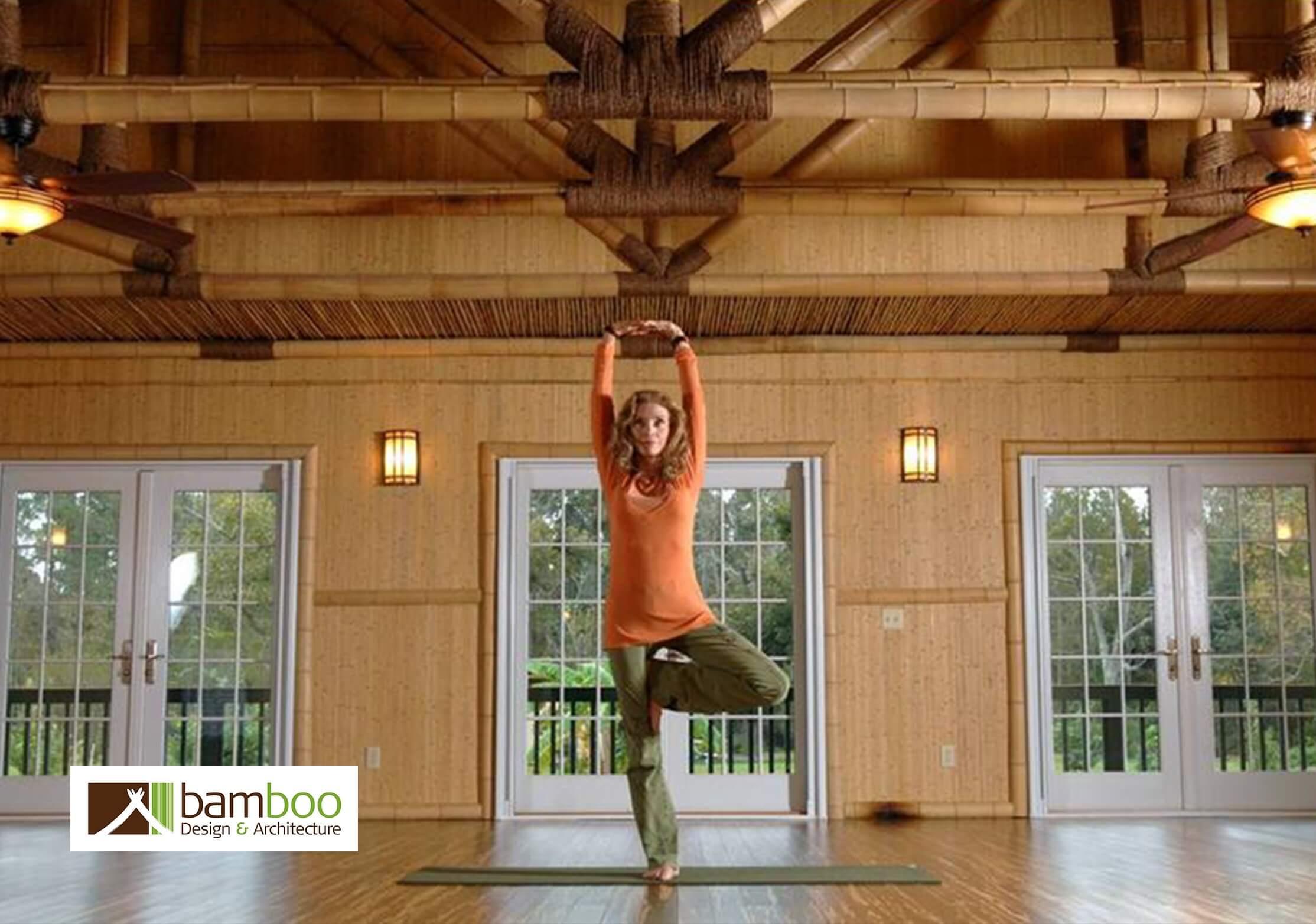
Walk into a good yoga studio and you’ll feel it immediately. The calm lighting, clean air, and quiet energy. But there’s something else doing a lot of work behind the scenes: the floor.
In yoga, the floor isn’t just a surface you walk on. It’s where people balance, stretch, kneel, lie down, and sometimes spend an entire hour.
That means the flooring needs to be stable, comfortable, hygienic, and durable. In Canada, it also needs to survive wild seasonal humidity changes.
From bamboo and cork to rubber and engineered wood, several flooring materials can work well in yoga spaces. The trick is choosing one that supports both the practice and the environment.
Let’s break down what actually makes a great yoga studio floor.
The Must-Have Features of a Good Yoga Studio Floor
A yoga studio floor has a very different job than a typical gym floor. Students aren’t just standing on it. They’re touching it constantly.
Hands. Knees. Foreheads. Bare feet.
Because of this, the flooring must balance several performance factors. A good yoga floor should provide:
- Firm stability for balance poses like Tree Pose
- Slip resistance for sweaty environments
- Joint support for knees, wrists, and elbows
- Durability under daily classes
- Easy cleaning and hygiene control
Too soft and balancing becomes difficult. Whereas, too hard of a floor can cause your joints to start complaining. The best studio floors sit comfortably in the middle.
The Canadian Climate Challenge
Yoga studios in Canada deal with something many other countries don’t.
Extreme seasonal humidity changes.
During winter, indoor humidity can drop below 20% because of heating systems. And in summer, humidity can climb above 60% in many regions. These changes cause many natural materials to expand and shrink.
That’s why flooring used in Canadian studios needs to handle moisture shifts without warping, cupping, or buckling.
For wood-based floors, experts usually recommend maintaining indoor humidity between:
35–55% relative humidity
This keeps flooring stable and prevents long-term structural damage.
Bamboo Flooring: A Strong Contender for Yoga Studios
Bamboo has quietly become a popular choice for yoga studios.
At first glance it looks like hardwood, but bamboo behaves a little differently. Those differences make it especially well suited for wellness spaces like yoga studios.
Strong Enough for High-Traffic Studios
Yoga studios see a surprising amount of traffic. Multiple classes run daily, props get dragged across the floor, and yoga mats constantly slide around.
That’s where strand-woven bamboo shines! It’s extremely dense and can reach Janka hardness ratings higher than many hardwood species. That density makes it resistant to:
- dents
- scratches
- heavy foot traffic.
For commercial spaces that see constant use, durability matters.
Comfortable Under Hands, Knees, and Feet
Yoga practitioners spend a lot of time close to the floor. Many poses involve direct contact with knees, palms, elbows, and sometimes even the forehead. That’s where bamboo works well, offering a comfortable balance between firmness and support.
It’s firm enough for balanced poses but has slight natural flexibility, which makes it comfortable for floor work. That combination helps reduce joint fatigue during long sessions.
Naturally Hygienic and Easy to Maintain
Cleanliness is essential in yoga studios. Sweat, skin oils, and dust accumulate quickly during busy class schedules. Densified™ Bamboo Flooring performs well here. It’s naturally:
- dirt resistant
- hypoallergenic
- easy to clean
Most studios maintain bamboo floors with simple routines: daily sweeping or vacuuming and the occasional damp mop. Unlike carpet, bamboo doesn’t trap dust, allergens, or lingering odors.
A Sustainable Choice for Wellness Spaces
Many yoga studios care deeply about sustainability.
Bamboo fits well with those values.
Unlike hardwood trees that may take 40–100 years to mature, bamboo can reach harvest maturity in around five years. This fast regeneration makes it one of the most renewable flooring materials available.
For studios promoting mindfulness and environmental awareness, that story resonates with clients.
Engineered Hardwood Flooring
Hardwood flooring remains a classic option for yoga studios. But in Canada, solid hardwood can be risky because of humidity fluctuations. That’s where engineered hardwood comes into play.
Engineered flooring uses:
- a real wood surface layer
- a cross-layered plywood or fiberboard core
This layered construction improves dimensional stability. It helps prevent the expansion and contraction that can cause:
- gapping
- cupping
- buckling
Engineered wood provides the beauty of natural timber while performing better in variable climates.
Beyond Bamboo: Other Flooring Options
Bamboo isn’t the only flooring used in yoga studios. Several other materials can work well depending on the class style, studio design, and humidity levels.
Cork flooring is popular in meditation and hot yoga spaces. Its natural air-filled structure makes it cushioned, warm underfoot, and excellent at absorbing sound. It also becomes slightly grippier when moist, which helps during sweaty classes. However, cork floors need periodic sealing to maintain moisture protection.
Next up is; rubber flooring. It is often used in multi-purpose studios that offer HIIT, Pilates, or strength training. It provides excellent shock absorption, slip resistance, and durability. The downside is aesthetic, as rubber tends to look more like gym flooring than a traditional yoga studio surface.
Lastly, vinyl and padded flooring systems are another option. Modern vinyl can mimic wood while offering strong moisture resistance and easy maintenance. Some studios use padded vinyl floors to create a soft, wall-to-wall mat effect. The drawback is that vinyl is synthetic, which may not appeal to studios that prefer natural materials.
| Flooring Type | Comfort | Durability | Best For |
|---|---|---|---|
| Bamboo | Good | Excellent | Yoga & wellness studios |
| Cork | Excellent | Moderate | Meditation & hot yoga |
| Rubber | Excellent | Excellent | Multi-purpose fitness studios |
| Vinyl | Moderate | Good | Moisture-prone studios |
Conclusion
It would be correct to say that the floor of a yoga studio shapes the entire practice experience. It influences stability, comfort, safety, and even the emotional tone of the space.
In Canada, flooring must also handle dramatic seasonal changes in humidity and temperature. Fortunately, several materials can work well. However, bamboo flooring stands out because it balances several qualities at once.
It’s durable, comfortable, sustainable, and visually calming. Oh and, in a space designed for mindfulness and movement, that balance makes a big difference!

0 Comments